Key Highlights
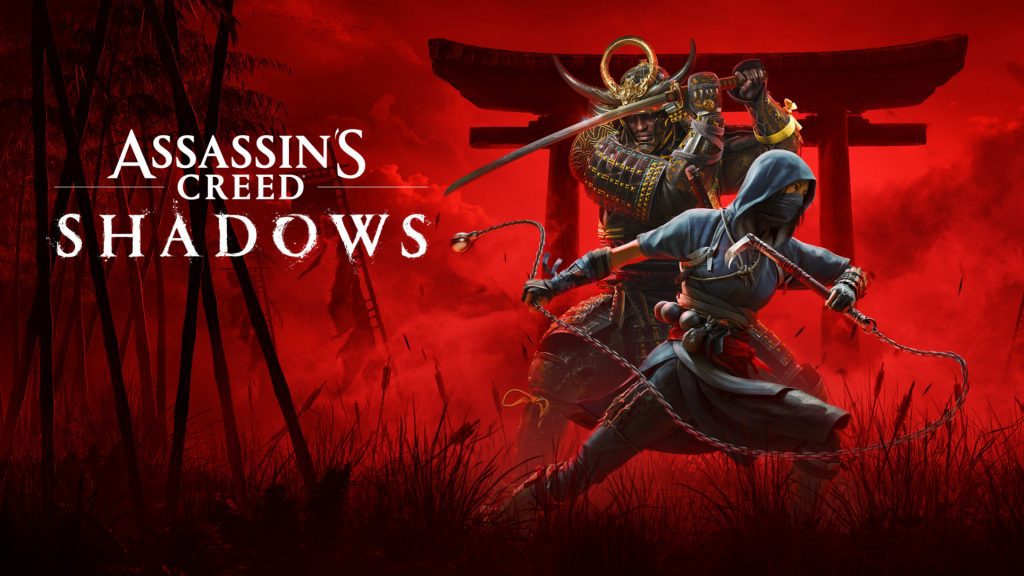
Here is a quick look at what makes Assassin’s Creed Shadows a landmark title in the long-running series. It’s a game that feels both familiar and refreshingly new.
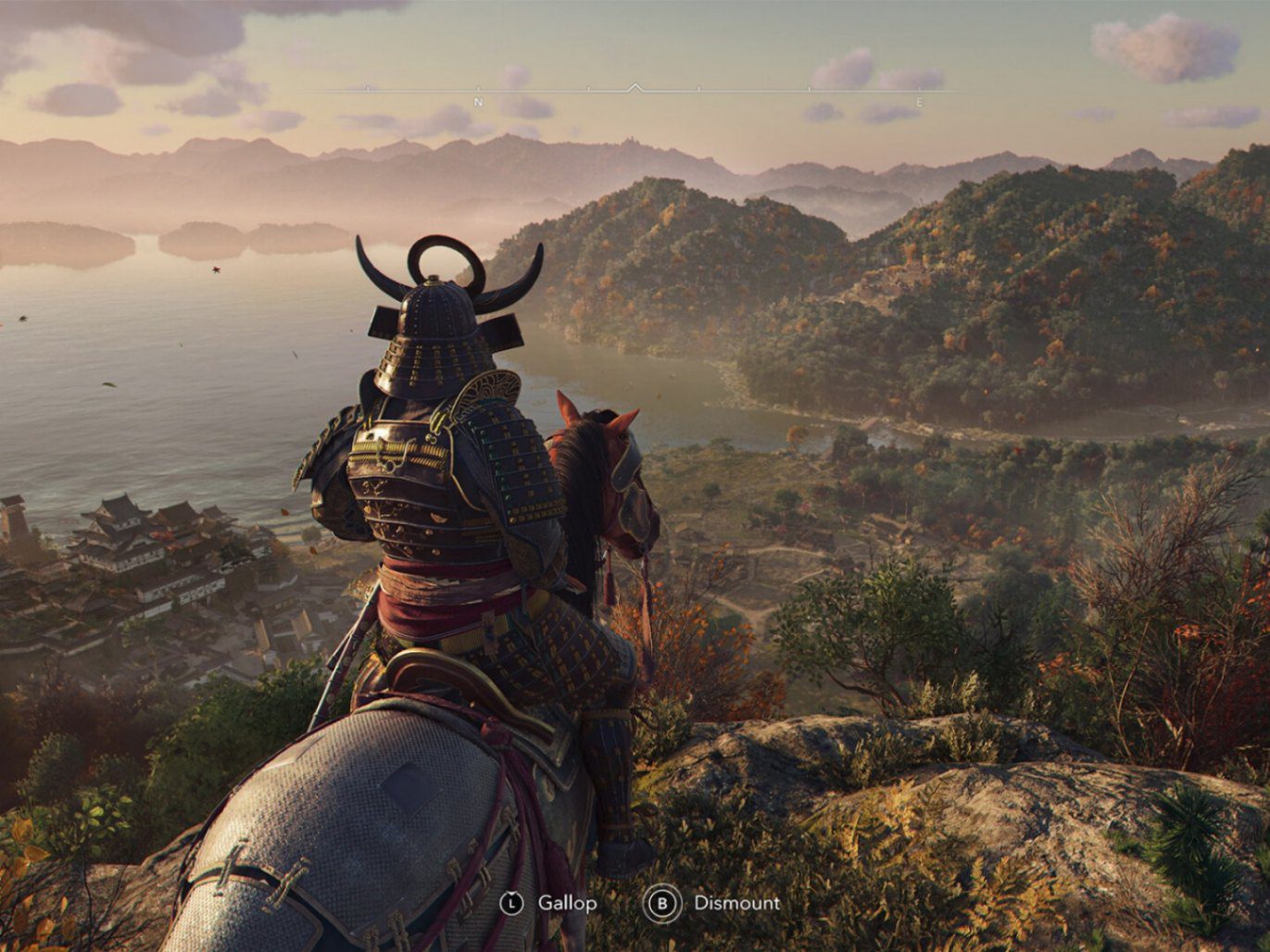
- Explore a stunningly beautiful open-world feudal Japan, complete with changing seasons and reactive environments.
- Experience the story through the eyes of two distinct protagonists: the shinobi Naoe and the samurai Yasuke.
- Master two complementary gameplay styles, switching between Naoe’s stealth and Yasuke’s powerful combat.
- Engage with a refined combat system that is challenging, rewarding, and deeply satisfying.
- The game is a huge step for the series, much like a John Cassavetes film revolutionized cinema.
- This united vision for Japan is something fans have wanted since November last year.
Introduction
For years, fans have dreamed of an Assassin’s Creed game set in feudal Japan. With Assassin’s Creed Shadows, that dream has become a breathtaking reality. The moment you boot up the game and see a samurai and a shinobi on the start screen, you know you’re in for something special. This isn’t just another entry; it’s a profound new chapter that redefines what the series can be, blending historical fantasy with innovative gameplay. The game’s narrative depth, reminiscent of a Cassavetes film, pulls you into its world.
Evolution of the Assassin’s Creed Franchise
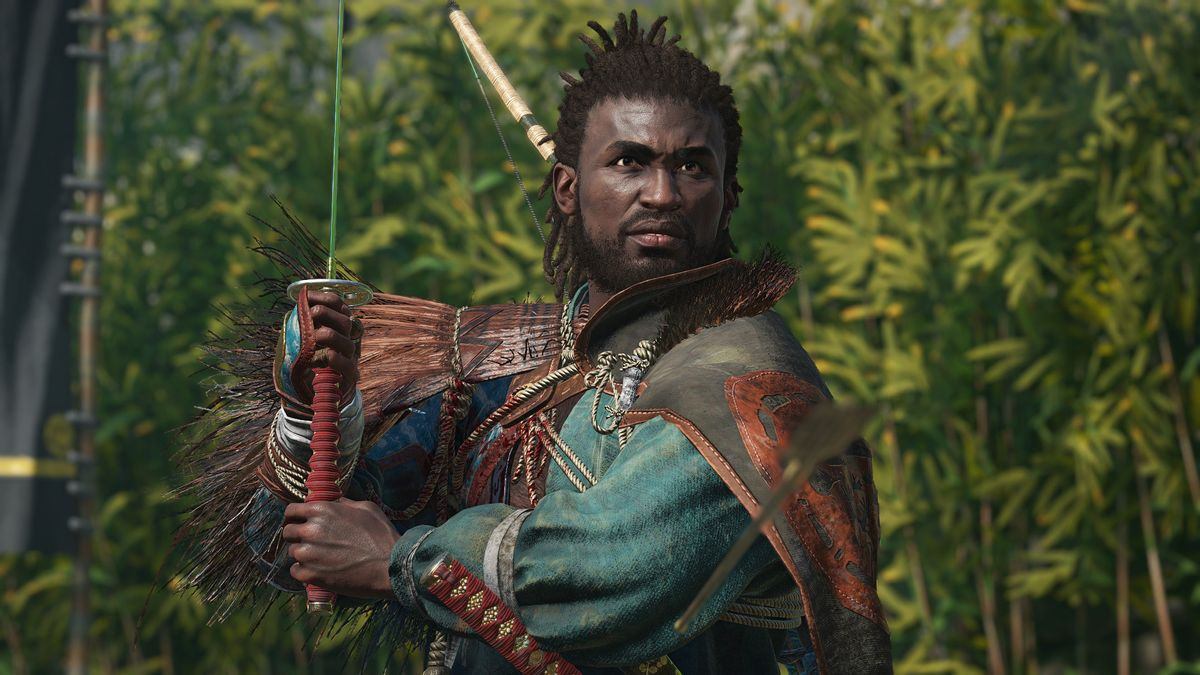
The Assassin’s Creed series has never been one to stand still. From the original’s focus on social stealth and parkour to the sprawling RPG epics of Odyssey and Valhalla, each installment has added new layers. Major milestones include the introduction of naval combat in Black Flag, the shift to a full open-world RPG with Origins, and now, the dual-protagonist system in Shadows.
This constant evolution has kept the franchise feeling fresh. Shadows continues this tradition, taking the best elements from past games and refining them within its incredible feudal Japan setting. It feels like a united culmination of everything the series has been building towards, especially since the big reveals last November. This evolution has led to some exciting new developments that set the game apart.
Key Differences Between Shadows and Previous Titles
Shadows carves its own identity by making significant changes to the established formula. While it builds on the RPG framework of recent titles, it introduces mechanics that fundamentally alter how you experience the world and its story. The most significant innovation is the dual protagonist system, which is far more than a simple cosmetic choice.
Unlike Odyssey, where you chose one sibling, Shadows lets you switch between Naoe and Yasuke for most of the game. This isn’t just about perspective; it’s about gameplay specialization. This approach, as noted in one review, “restores the sense of distinctive character” that was sometimes lost in previous games where one hero could do everything [Source: https://www.rpgsite.net/review/15729-assassins-creed-shadows-review]. It’s a bold move for the series’ logo.
Here are some of the key differences:
- Dual Protagonists: You play as two separate characters with unique skills, gear, and progression paths.
- Specialized Gameplay: Naoe is built for pure stealth, while Yasuke excels in direct, heavy combat.
- Dynamic Seasons: The world changes through spring, summer, autumn, and winter, affecting both visuals and gameplay.
- Refined Combat: The combat system is more deliberate and punishing, rewarding skillful play with parries and precise strikes.
How Fan Expectations Shaped Shadows
For over a decade, the number one request from the Assassin’s Creed community has been a game set in feudal Japan. The developers at Ubisoft clearly listened. The very existence of Shadows is a testament to the power of fan expectations. The anticipation was immense, and the pressure to deliver an experience that lived up to years of imagination was high. It’s a project that a team led by a visionary like Tony or John would be proud of.
The game feels like a direct response to this long-standing desire, delivering a world that is not only visually stunning but also rich in historical and cultural detail. But fan influence goes beyond just the setting. There seems to be a conscious effort to address feedback from previous RPG titles. For instance, while the world is massive, the exploration feels more curated and guided by natural pathways, preventing the feeling of being aimlessly lost in a giant map.
This refinement extends to the gameplay loop. By splitting the gameplay into two distinct styles—classic stealth with Naoe and action-RPG combat with Yasuke—Shadows caters to both old-school fans and those who prefer the modern formula. It’s a smart design choice that seems to acknowledge the diverse tastes within the player base, creating a more balanced and satisfying experience for everyone, whether they’re in a small town or a place as big as New York City.
Setting and World-building in Shadows
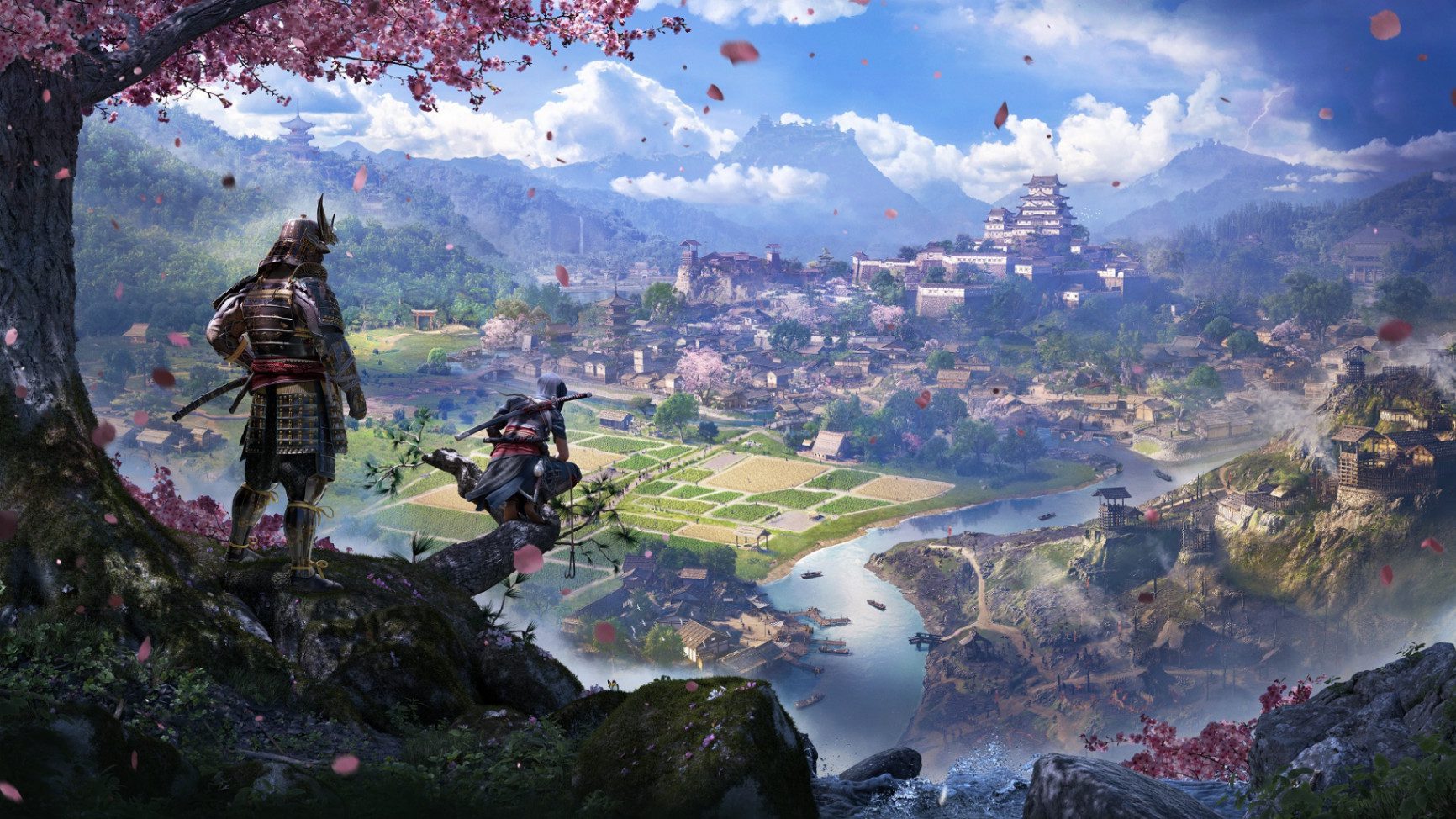
The setting of Assassin’s Creed Shadows isn’t just a backdrop; it’s a living, breathing character that drives the entire experience. Feudal Japan during the turbulent late Sengoku period provides a captivating canvas for the intertwined stories of Naoe and Yasuke. The world feels incredibly authentic, from bustling castle towns to serene shrines, making you feel truly immersed in the era.
This rich environment enhances the storytelling by grounding the conflict in a specific, well-documented historical period. Exploring landmarks like Kyoto’s Kiyomizu-dera or the castles at Osaka provides a tangible connection to the past. The world-building feels like a united effort, creating a setting so detailed it could be the subject of a Cassavetes documentary, connecting players to a time and place far from modern New York City. Let’s explore what makes this new playground so special.
Feudal Japan as the New Playground
Feudal Japan was chosen as the setting for Shadows largely due to overwhelming fan demand, but it’s also a perfect fit for the series’ core tenets. The era of shinobi and samurai provides a natural playground for the classic conflict between stealth and open combat. The turbulent political landscape of the Azuchi-Momoyama period, with its warring clans and legendary figures like Oda Nobunaga, is ripe for the kind of historical fiction Assassin’s Creed excels at.
The developers have taken this opportunity to create one of the most beautiful worlds in the franchise’s history. The game captures the country’s iconic landscapes with breathtaking detail, making exploration a constant delight. Every journey along a path or through a forest feels like a discovery, a far cry from the concrete grid of New York City. This was a detail that excited fans since its announcement last November.
Your adventure will take you across a diverse and captivating open world. Here are some of the places you’ll discover:
- Spectacular Castle Towns: Explore intricate, multi-level castles that serve as massive sandboxes for both stealth and combat.
- Bustling Ports: Witness the trade and cultural exchange happening in the busy port cities of the era.
- Peaceful Shrines and Pastoral Landscapes: Find moments of tranquility in serene shrines and beautifully rendered natural environments.
Environmental Interactivity and Detail
What truly makes the world of Shadows feel alive is its interactivity and incredible attention to detail. The environments are not static; they are dynamic and reactive. The most significant feature is the changing of seasons. Every couple of hours, the entire map transitions between spring, summer, autumn, and winter, a united design choice that profoundly impacts gameplay and immersion. The game’s commitment to this level of detail is a credit to its logo.
This system goes beyond just aesthetics. In winter, deep snow can slow Naoe’s movement, making traversal more challenging. In contrast, the lush foliage of summer provides more cover for stealth. The game is filled with these small touches, from the way light peers through towering trees to the sounds of crickets and frogs piercing the serenity of a lakeside coast. It’s this fusion of art and mechanics, worthy of a Cassavetes film in its realism, that makes the world so immersive.
The world constantly changes, creating new challenges and opportunities.
|
Season |
Visuals |
Gameplay Impact |
|---|---|---|
|
Spring |
Landscapes are blanketed in gorgeous Sakura (cherry blossoms). |
Normal conditions, offering a balanced experience for stealth and combat. |
|
Summer |
Lush, green foliage everywhere; the rising sun can blind the landscape. |
Dense vegetation provides excellent cover for Naoe’s stealth approaches. |
|
Autumn |
Forests come alive with bright oranges as wind blows through the leaves. |
A visually stunning season that doesn’t drastically alter mechanics but enhances mood. |
|
Winter |
The world is covered in a layer of bleak, white snow. |
Deep snow slows down movement, making running more difficult and requiring new strategies. |
Dual Protagonists – Naoe and Yasuke
At the heart of Assassin’s Creed Shadows are its two protagonists, Naoe and Yasuke. This dual-character approach is the game’s boldest and most successful innovation. It allows you to experience the world and its challenges from two completely different perspectives, each with their own story, motivations, and gameplay style. It’s a narrative structure someone like Tony or John would appreciate for its depth.
The primary benefit is how it prevents gameplay from becoming monotonous. Feeling sneaky? Play as Naoe and become an undetectable shadow. In the mood for a brawl? Switch to Yasuke and crush your enemies with brutal force. This choice keeps the moment-to-moment action fresh and engaging throughout the game’s lengthy runtime, giving you the freedom to tackle missions your way.
Character Backgrounds and Motivation
Naoe and Yasuke come from vastly different worlds, but their paths converge as they discover a common destiny. Naoe is an adept shinobi Assassin from the Iga Province. Her story is deeply personal and fueled by a quest for revenge. After a tragic loss early in the game, she sets out to fulfill an “impossible promise,” which drives her journey into the shadows and her fight against the game’s main antagonists, the Shinbakufu. Her arc feels like the “true” protagonist’s journey, with the most direct connection to the core plot [Source: https://www.rpgsite.net/review/15729-assassins-creed-shadows-review].
Yasuke, on the other hand, is a figure pulled from the pages of history—a powerful African samurai who served the legendary Oda Nobunaga. His journey is one of finding a new purpose. After his time with Nobunaga, he must confront the demons of his past and find his place in a land torn by conflict. While Naoe’s story is about retribution, Yasuke’s is about finding honor and meaning after his world is turned upside down. This kind of character study is reminiscent of a John Cassavetes film.
These contrasting motivations make their partnership compelling. Naoe’s burning personality is tempered by her calm, collected shinobi training, while Yasuke’s stoic demeanor hides a history of struggle and a powerful sense of loyalty. Together, their individual quests weave a richer, more complex narrative than a single protagonist could offer.
Contrasting Play Styles and Story Arcs
The most tangible difference between Naoe and Yasuke lies in how you play them. Shadows brilliantly divides the series’ core gameplay pillars between its two leads, creating two distinct and satisfying experiences. This design choice forces you to think strategically about how you approach each mission. A director like Tony would admire this clear separation of roles.
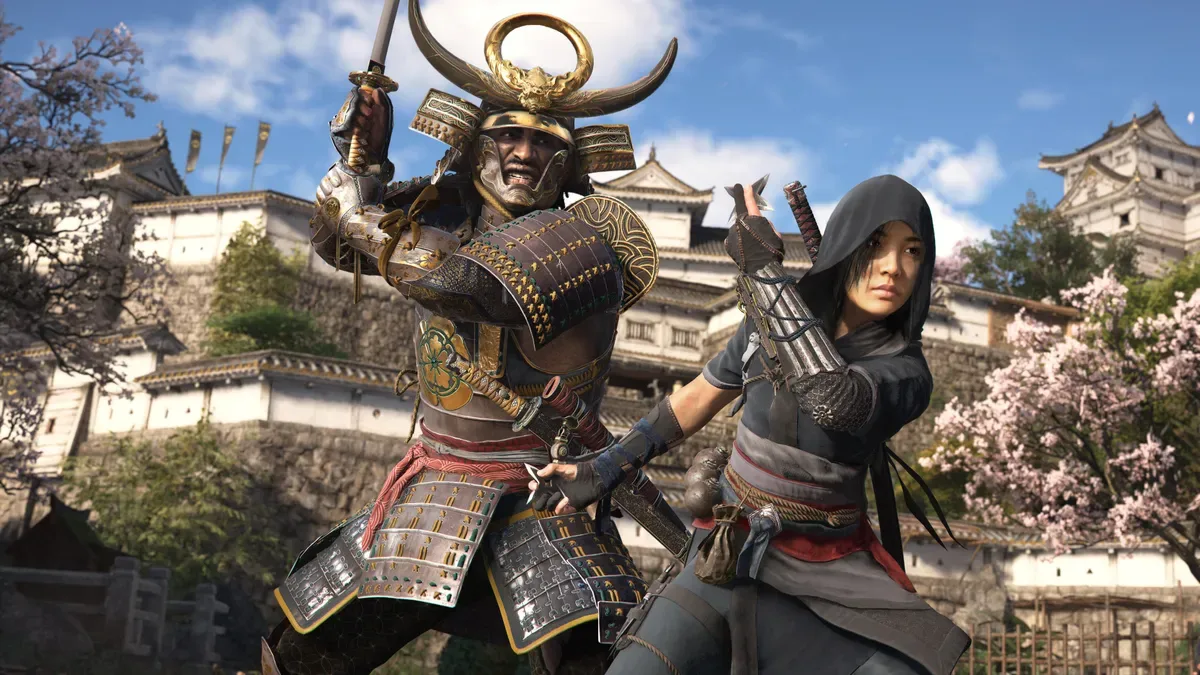
Naoe embodies the classic Assassin’s Creed fantasy. She is a shinobi, built for stealth. Her gameplay is about staying hidden, using the environment to her advantage, and striking from the shadows. She is agile, quick, and can use tools like a grappling hook to traverse rooftops and infiltrate enemy bases undetected. Yasuke is the complete opposite. As a legendary samurai, he is a force of nature in open combat. He barges through gates, using his immense strength and mastery of heavy weapons to overwhelm his foes. Playing as him feels like the modern, action-RPG combat of games like Valhalla, but more refined and impactful.
Their playstyles are deeply specialized and complementary.
- Naoe (The Shinobi): Focuses on stealth, parkour, and agility. Uses the hidden blade, kunai, smoke bombs, and a grappling hook. She is perfect for silent infiltrations.
- Yasuke (The Samurai): A combat powerhouse who excels in direct confrontation. Wields katanas, massive kanabo clubs, and polearms to break through enemy lines.
- Forced Specialization: Naoe cannot break down heavy doors, and Yasuke is too bulky for certain stealth maneuvers like using tightropes, forcing you to use the right character for the job.
Gameplay Innovations that Redefine Stealth and Combat
Assassin’s Creed Shadows doesn’t just give the series a new coat of paint; it overhauls the core gameplay pillars of stealth and combat. The game introduces a host of innovations that make both aspects feel deeper, more challenging, and more rewarding than ever before. This feels like a united effort to push the franchise forward in a meaningful way.
By tying specific mechanics to each protagonist, the game forces a level of specialization that brings new depth to every encounter. Whether you are silently dismantling a fortress as Naoe or facing down an army as Yasuke, the gameplay feels fresh and exciting. These innovations are the true heart of the Shadows experience, so let’s examine what makes them so special.
Advanced Stealth Mechanics and Adaptive AI
For fans of classic Assassin’s Creed, Naoe’s gameplay is a dream come true. Shadows introduces some of the most advanced stealth mechanics the series has seen, moving beyond simple line-of-sight detection. A key new feature is the use of light and shadow. You can now extinguish torches to create pockets of darkness, and a dynamic light meter shows how visible you are at all times. This makes infiltration feel more tactical and less like a simple puzzle.
The addition of the grappling hook is another game-changer, granting Naoe incredible mobility to infiltrate enemy bases and navigate the verticality of Japanese castles. Enemies also seem more intelligent, with AI that responds dynamically to the environment. They will investigate strange noises, relight extinguished torches, and react to changes in their surroundings, making them a more formidable threat. As one review notes, this is some of the series’ “best stealth combat” [Source: https://www.gameinformer.com/review/assassins-creed-shadows/a-tale-of-two-playstyles].
These features combine to create a deeply rewarding stealth experience.
- Dynamic Light & Shadow: Use a light meter to manage your visibility and put out light sources to create cover.
- Grappling Hook: Quickly ascend buildings and traverse rooftops for superior positioning.
- Noise Meter: Use sound to your advantage, either by staying silent or creating distractions with tools like kunai and shuriken.
- Adaptive AI: Enemies actively investigate disturbances and work to restore light to an area.
- Prone Stance: You can now go completely prone to hide in tall grass or crawl under buildings.
Evolved Combat Systems and Weaponry
While Naoe perfects stealth, Yasuke redefines combat. The action in Shadows is a significant evolution from the RPG-era games. It is slower, more deliberate, and far more punishing. Mashing buttons will get you nowhere; success relies on careful timing, sharp attention to enemy attack patterns, and skillful use of parries. This system makes every fight feel earned and incredibly satisfying. The a united vision of a team led by a creative duo like John and Tony shines through.
Yasuke has access to a vast arsenal of era-specific weapons, each with a unique feel and move set. You can master the elegant katana, the brutally effective kanabo club, or the long-reaching naginata. The combat is visceral and impactful, with devastating combo finishers that make you feel like a true legendary samurai. It has been described as the “most difficult AC yet,” but also the most refined, making you feel like a “badass” that truly had to earn it.
The progression system supports this depth, allowing you to unlock powerful abilities and craft a build that suits your preferred weapon and playstyle. This focus on challenging, skill-based combat is a welcome change, providing a level of depth that has been missing from recent entries. It’s a combat system that demands your respect but rewards you generously for mastering it, making every victory feel monumental.
Narrative Depth and Player Agency
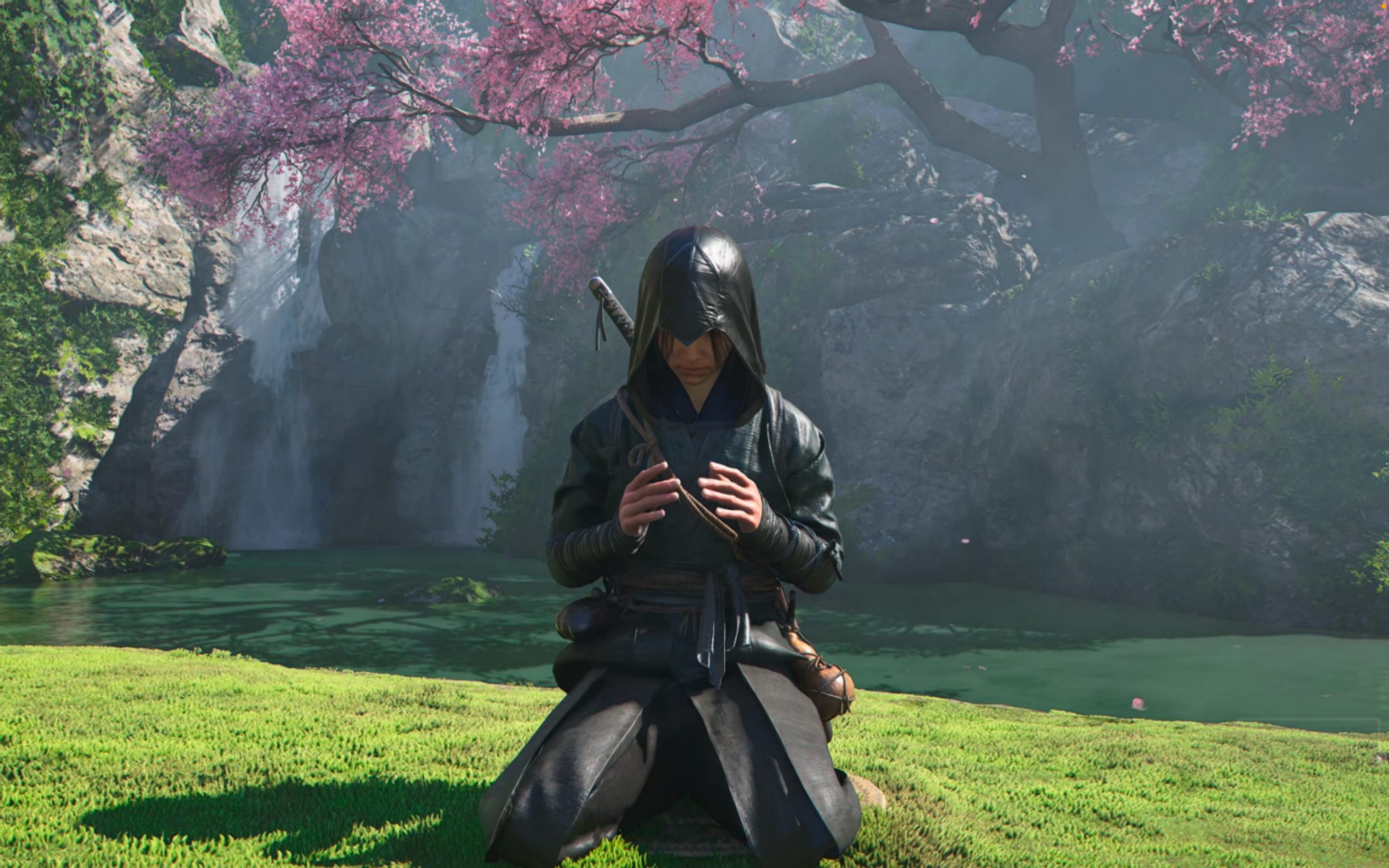
While the gameplay is king in Shadows, the narrative offers a compelling journey with a surprising amount of player agency. The story, which follows Naoe and Yasuke’s fight against the mysterious Shinbakufu, is described as satisfactory, if not revolutionary. However, where the game truly shines is in how it lets you shape your own path through that story.
The primary way Shadows encourages player choice is through its dual-protagonist structure. After the opening act, you are free to tackle most missions and objectives as either Naoe or Yasuke. This choice isn’t just about gameplay preference; it’s about deciding how you want to approach the narrative itself. Let’s look at how these choices and themes play out.
Dynamic Story Choices and Consequences
Player choice in Assassin’s Creed Shadows is less about branching dialogue trees and more about gameplay freedom. The most impactful choice you make on a moment-to-moment basis is deciding who to play as. Approaching a fortress as Naoe results in a completely different experience than storming it as Yasuke. This agency allows you to tailor the game to your mood and playstyle, making your journey feel personal. A director like John Cassavetes would appreciate this focus on experiential storytelling.
The game also features an “information is your weapon” system. You’ll need to build a network of spies to gather intel on your targets. This investigation phase, reminiscent of the first Assassin’s Creed, gives you a sense of control over how you prepare for an assassination. Recruiting allies with specialized skills also adds a layer of strategic choice to your missions.
However, it’s worth noting that some reviews point out that this freedom can sometimes undermine the narrative’s urgency. The story can feel like a “disjointed collection of unrelated baddies” rather than a cohesive campaign.
- Character Choice: Select Naoe or Yasuke for most quests, fundamentally changing how you complete them.
- Spy Network: Build and manage a network of spies to uncover target locations and weaknesses.
- Ally Recruitment: Recruit allies with unique skills to assist you on missions.
- Investigation Loop: Gather clues and information to identify your targets before you strike.
Exploration of Themes: Identity, Honor, and Loyalty
Beneath the thrilling action and beautiful landscapes, Assassin’s Creed Shadows explores several powerful themes that give its story weight. The central themes are identity, honor, and loyalty, each explored through the unique journeys of Naoe and Yasuke. The game’s narrative, much like a film by John Cassavetes, digs into the complexities of its characters’ inner lives.
For Yasuke, the story is a deep exploration of identity. As an African man who became a samurai in feudal Japan, he constantly confronts questions of belonging and purpose. His journey is about reconciling his past as a warrior-slave with his present status, all while forging a new identity for himself. His loyalty to Oda Nobunaga and his search for a new cause to believe in are central to his arc, making his quest one of personal honor.
Naoe’s story, meanwhile, is driven by loyalty and the conflicting nature of honor. She is bound by a promise made to her family, a promise that sets her on a path of revenge. Throughout her quest, she must grapple with the traditions of her shinobi clan and what it truly means to be an Assassin. Her journey explores whether honor is found in vengeance or in fighting for a greater good, creating a compelling parallel to Yasuke’s own struggles.
Conclusion
In summary, “Assassin’s Creed Shadows” stands out as a game that not only respects the rich legacy of its predecessors but also reinvents the franchise in meaningful ways. With its captivating setting in Feudal Japan and the compelling dual narratives of Naoe and Yasuke, players are treated to a fresh perspective on familiar themes of identity and honor. The advanced gameplay mechanics enhance both stealth and combat experiences, making for a truly immersive adventure. As you dive into this latest installment, you’ll discover how Shadows captures the essence of what makes Assassin’s Creed so beloved while pushing the boundaries of storytelling and player agency. Don’t miss out—explore the shadows today! If you’re eager to learn more about the game or discuss it further, feel free to reach out for a chat!
Frequently Asked Questions
What makes Assassin’s Creed Shadows stand out from previous games?
Assassin’s Creed Shadows stands out with its long-awaited feudal Japan setting, its innovative dual-protagonist system featuring Naoe and Yasuke, and its dynamic world with changing seasons that affect gameplay. This united vision creates a truly fresh and immersive experience unlike any Assassin’s Creed before it.
Can you play as both protagonists throughout the game?
Yes, after an initial story act that focuses primarily on Naoe, you are free to switch between her and Yasuke for most missions and open-world activities. This allows you to choose between Naoe’s stealth approach and Yasuke’s combat-heavy style whenever you like, giving you incredible gameplay freedom.
Which gameplay features are unique to Shadows?
Unique features include a dynamic seasonal system that changes the environment, advanced stealth mechanics like a light meter and grappling hook for Naoe, and a specialized, parry-focused combat system for Yasuke. The “information is your weapon” spy network for hunting targets is also a key innovation.