Key Highlights
- Rise of the Rōnin features a superb combat system, a hallmark of developer Team Ninja, that is both challenging and deeply satisfying.
- The game is set in the turbulent Bakumatsu era of 19th-century Japan, offering a compelling historical fiction backdrop for your adventure.
- Player choice is central to the narrative, with branching dialogues and faction allegiances that influence the story.
- Exploration is enhanced with fun traversal tools like a horse, a grappling rope, and a glider, providing great freedom of movement.
- The game suffers from significant open-world bloat and an overwhelming loot system, which can distract from its stronger elements.
Introduction
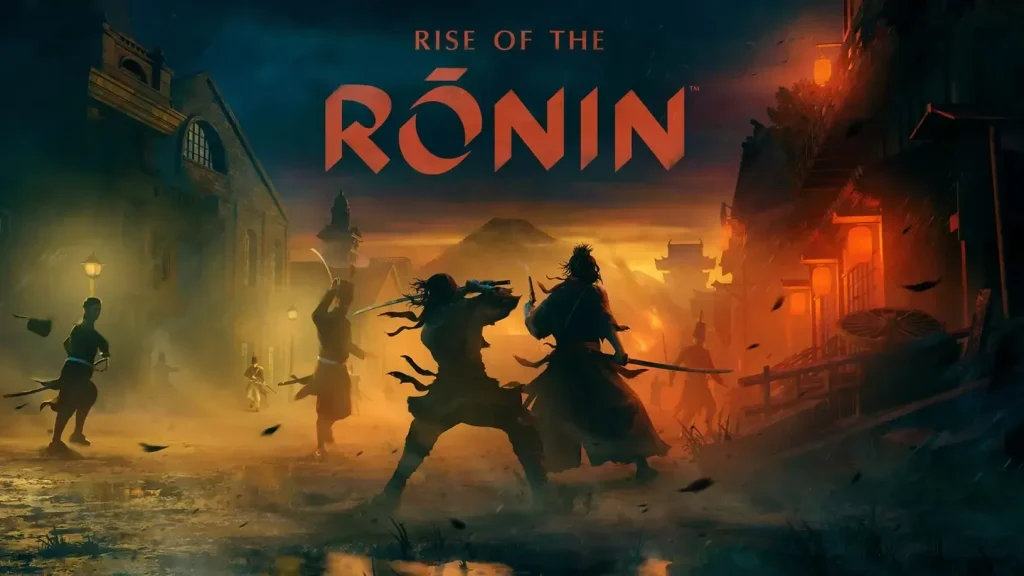
Welcome to the tumultuous world of 19th-century Japan. Developer Team Ninja, famous for action-packed titles, takes its first step into the open world genre with Rise of the Rōnin. This ambitious action RPG drops you into a nation on the brink of civil war, caught between the ruling Shogunate and revolutionary forces. You play as a masterless samurai, a Rōnin, navigating this political chaos while on a deeply personal quest. Are you ready to draw your blade and carve your own destiny?
Stunning Visuals That Bring Feudal Japan to Life
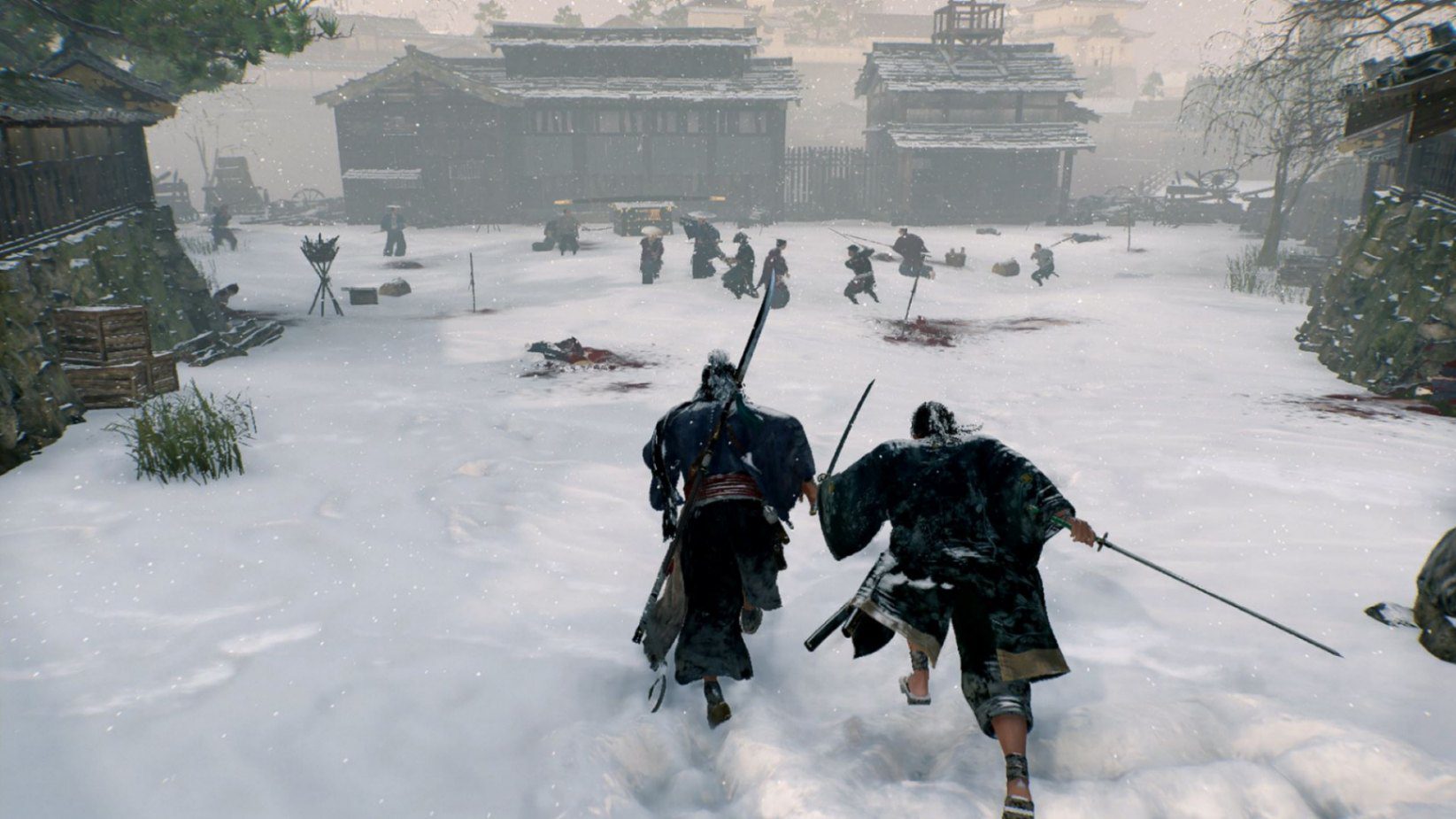
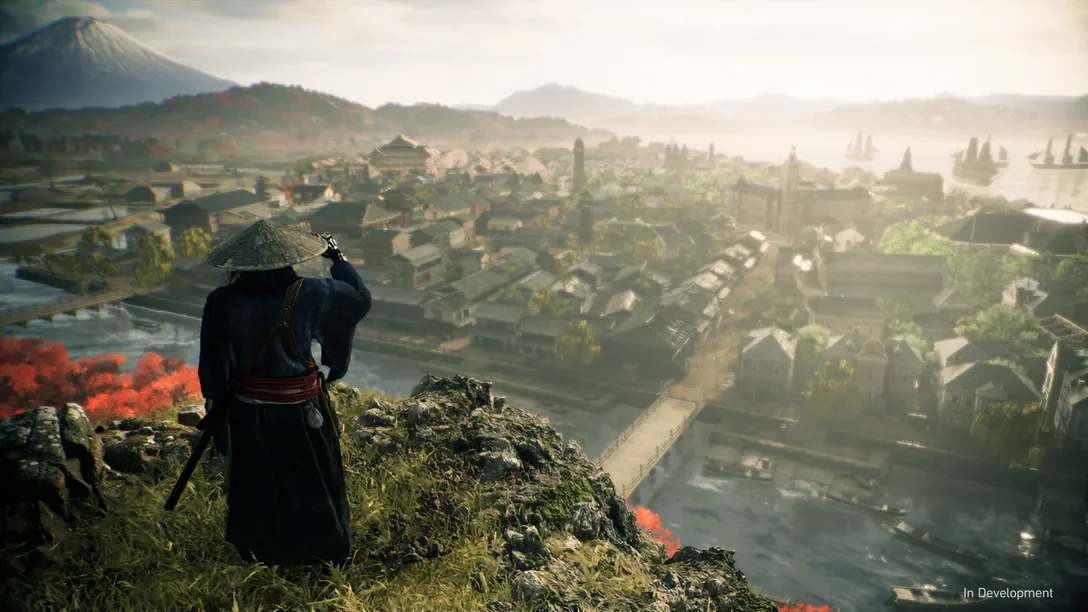
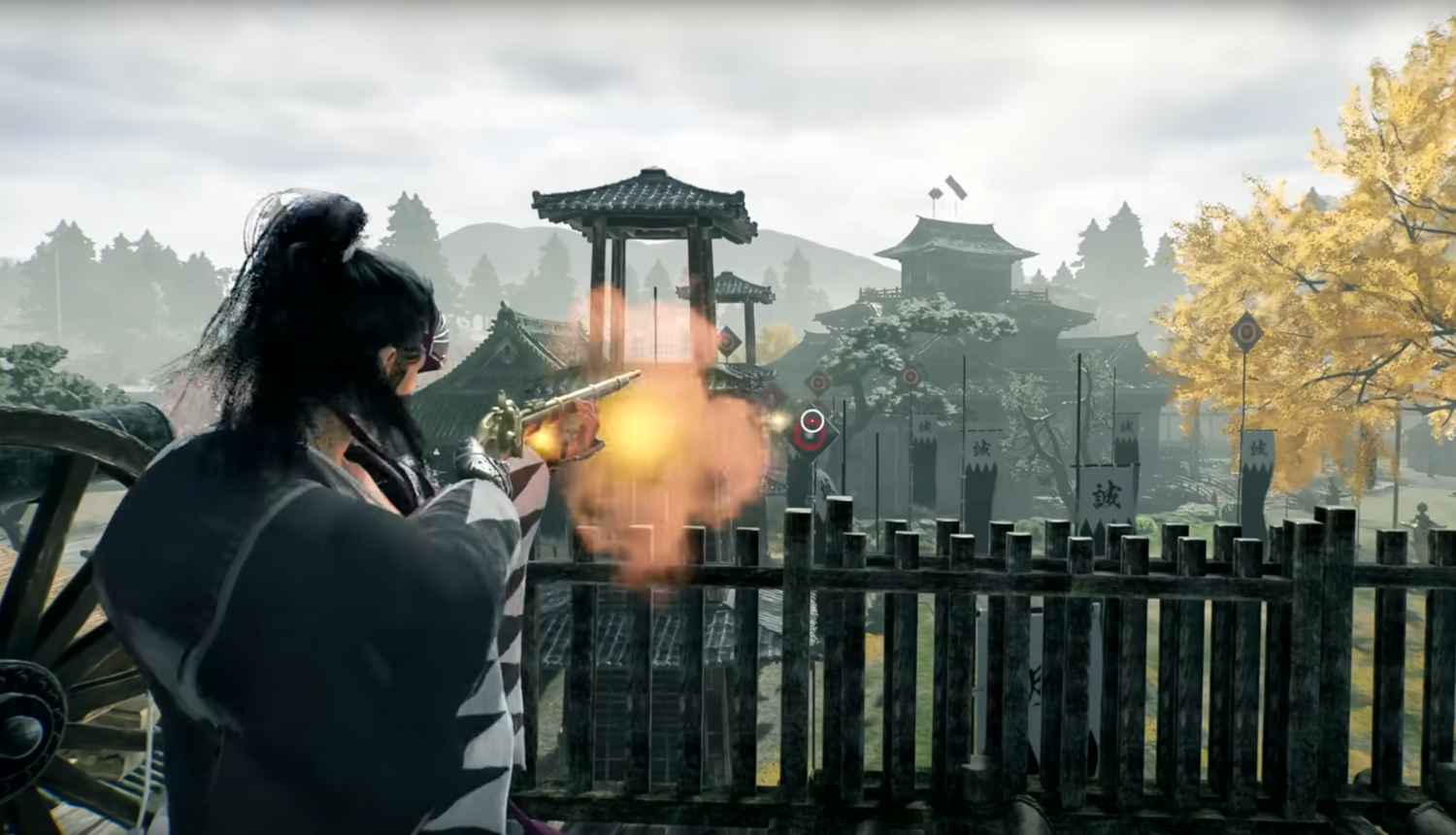
From sprawling green fields to the detailed architecture of its cities, Rise of the Rōnin presents a beautiful interpretation of feudal Japan. The team at Team Ninja has crafted a world that feels both vast and vibrant, creating a visual feast with its cascading red leaves and picturesque landscapes. The aesthetic successfully paints a picture of a country in transition, mixing traditional Japanese scenery with emerging Western influences.
However, the game’s graphical prowess doesn’t always keep up with its artistic vision. While the world is aesthetically pleasing, some character models and environments can feel simplistic, temporarily breaking the immersion. According to Game Informer, the game’s graphical fidelity mode can be “borderline unplayable” due to inconsistent framerates, which is a blemish on an otherwise beautifully designed world. [1]
Environmental Detail and World Building
The open world of Rise of the Rōnin is a massive canvas, stretching across three major maps: Yokohama, Edo (modern-day Tokyo), and Kyoto. Each region is broken into smaller segments, filled with landmarks to visit, bandits to defeat, and shrines to discover. The landscape is impressively varied, featuring everything from bustling city streets to serene mountain paths, giving you a real sense of journeying through a historical period.
You’ll see the fascinating mix of Western and Japanese architecture in Yokohama, a port city buzzing with foreign influence. Later, you’ll explore the grand political centers of Edo and Kyoto. The meticulous effort to recreate these locations makes the world feel authentic and alive, showing both the splendor and the squalor of the era.
Despite the beauty, the world can sometimes feel a bit empty between the scripted encounters and points of interest. Seeing people in the distance is often a sign of impending combat rather than a living, breathing world. This creates a slight disconnect, where the stunning scenery is sometimes just a backdrop for the next fight rather than a fully immersive environment.
Character Design and Animation
One of the standout features of the game is its incredibly robust character creator. At the beginning of your journey, you design not one but two warriors, your Blade Twin. This tool is among the best in the business, allowing you to create a ronin who is either runway-beautiful or sidewalk-bland, giving you complete control over your protagonist’s appearance. You can customize everything from body type and tattoos to makeup and hair.
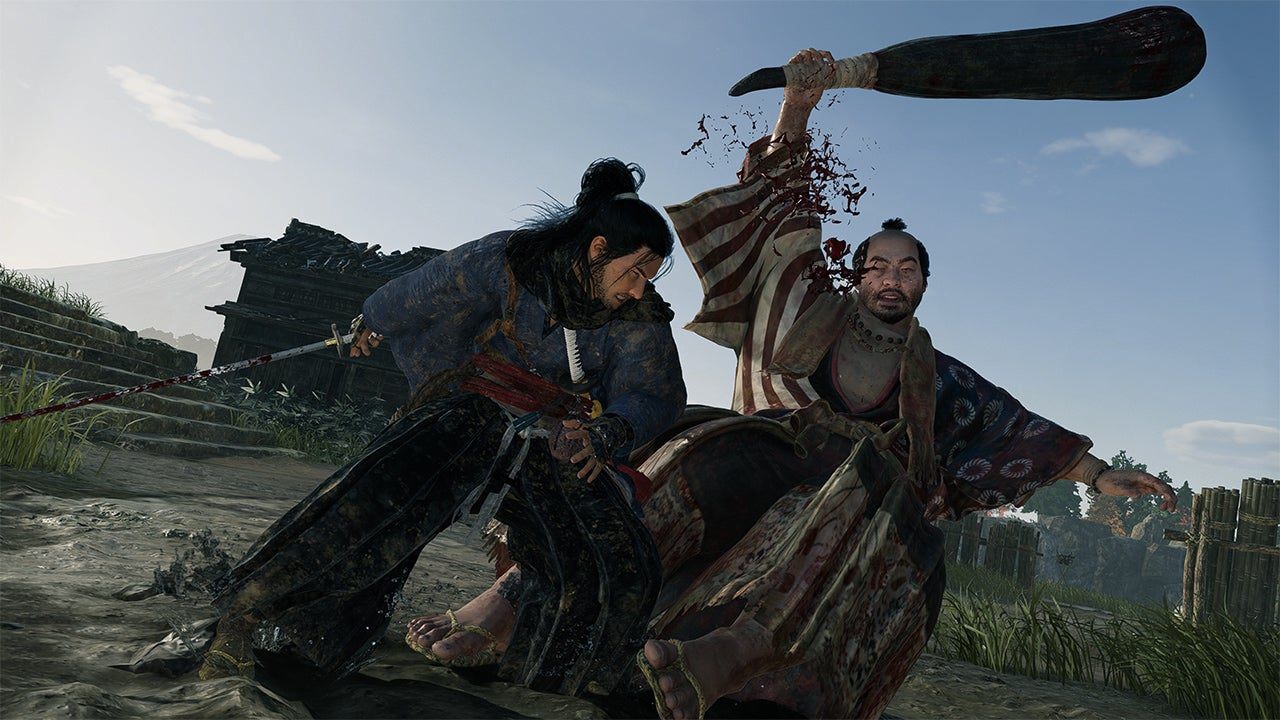
The combat animation is where the game truly shines. Each sword strike, parry, and dodge is rendered with fluid precision, making every fight a riveting spectacle. The way your character moves is fast and flashy, and landing a critical hit on your foes results in a satisfying and often gory finisher that deals massive damage. The enemy AI is generally aggressive, forcing you to be strategic and take advantage of every opening.
Your companions, controlled by AI, are also quite competent in a fight. They are useful allies who can hold their own, and the ability to switch between them mid-battle adds another layer of tactical depth. This seamless integration of AI partners makes the larger-scale battles feel dynamic and exciting.
Immersive Setting and Historical Inspiration
Rise of the Rōnin plunges you into the Bakumatsu era, one of the most turbulent periods in Japanese history. This was a time of immense political and social upheaval, following the arrival of Commodore Perry‘s Black Ships and the forced reopening of Japan to the West. This event created a deep divide within the nation.
You’ll find yourself caught between two warring sides: the ruling Tokugawa Shogunate, trying to navigate relations with the West, and the anti-shogunate factions, who wish to expel the foreigners and restore power to the Emperor. Your choices will directly involve you in this conflict, forcing you to pick sides and interact with key historical figures as you shape the country’s future.
The Bakumatsu Era Explained
The Bakumatsu era, which translates to “end of the shogunate,” marks the final years of the Edo period in Japan, spanning from 1853 to 1867. This was a time defined by a clash of ideals, where centuries of isolationism came to an abrupt end. The arrival of Commodore Matthew Perry and his American fleet was the catalyst for this dramatic shift.
Faced with advanced military technology, the ruling Tokugawa Shogunate was compelled to sign treaties that opened the country to foreign trade. This decision was deeply unpopular with many samurai and nobles who saw it as a violation of Japan’s sovereignty. This opposition sparked a powerful nationalist movement aimed at overthrowing the Shogunate and restoring direct imperial rule.
What followed was a period of intense internal conflict and a profound cultural revolution. The country was torn between modernizing to compete with the West and clinging to its traditional values. This fascinating and chaotic backdrop provides the perfect stage for a story about a wandering Rōnin trying to find their place in a rapidly changing world.
Accuracy vs. Artistic Interpretation
Like many historical fiction games, Rise of the Rōnin walks a fine line between historical accuracy and artistic interpretation. While Team Ninja roots the game in real events and features famous figures like Ryoma Sakamoto, it takes considerable liberties for the sake of gameplay and spectacle. The quiet invasion of Japan is treated with respect, but this is balanced with over-the-top combat and fantastical elements that keep the action exciting.
This approach is different from a game like Ghost of Tsushima. How does Rise of the Rōnin compare to games like Ghost of Tsushima? While both are open-world samurai adventures, Rise of the Rōnin feels more like an action RPG akin to Assassin’s Creed, where historical figures become quest-givers and allies. In his review for God is a Geek, Mick Fraser notes that Ghost of Tsushima has a more stunning visual interpretation of Japan, but Rise of the Rōnin offers a more complex, politically charged narrative. [2]
Ultimately, Team Ninja prioritizes fun over strict historical reenactment. The game allows for a touch of mysticism and ensures the combat is flashy and surreal without introducing supernatural monsters like the Yokai from their Nioh series. The focus is on creating a compelling story that uses key moments from history as a foundation for a grand adventure.
Narrative Depth and Player Choice
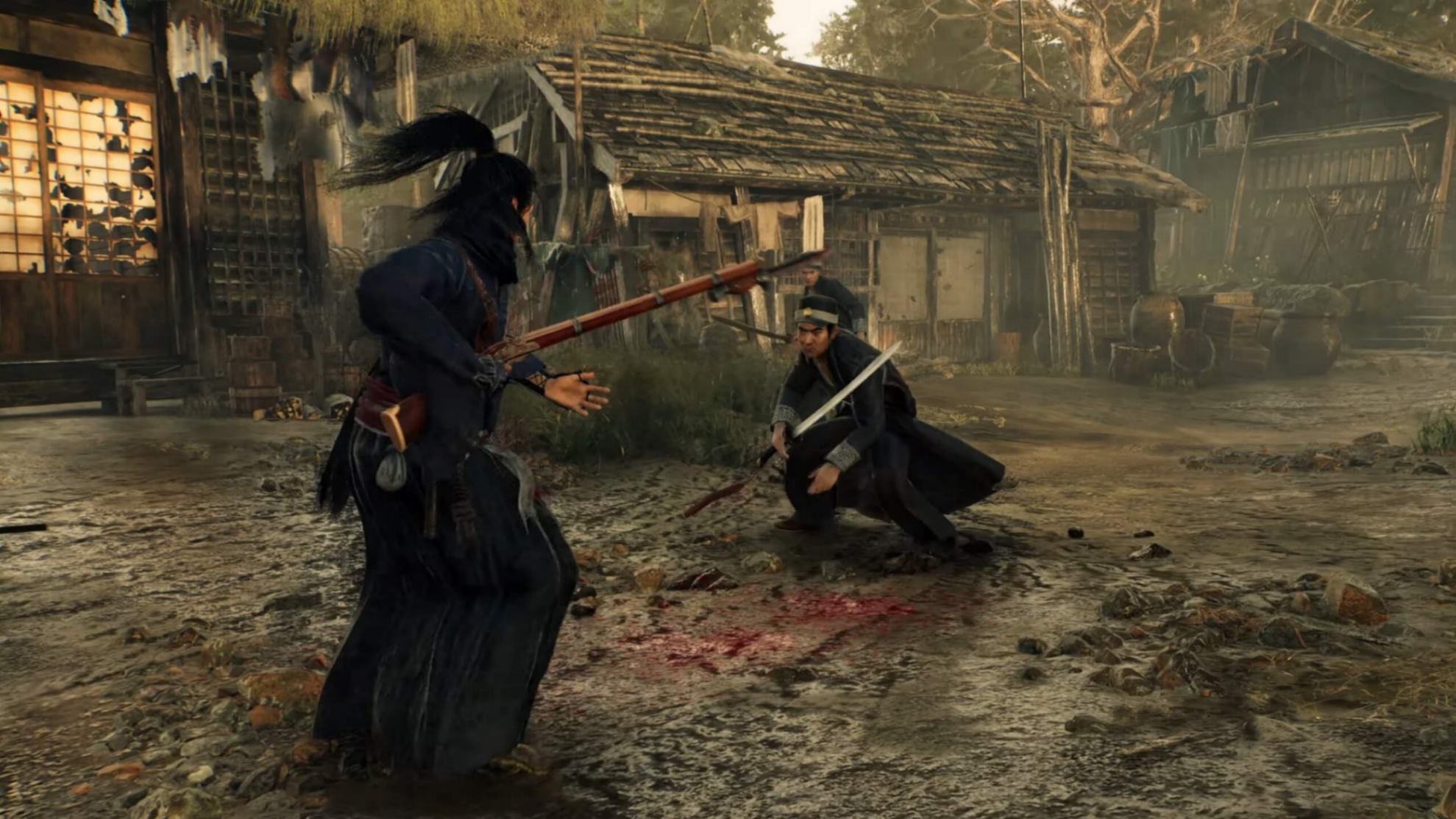
The story in Rise of the Rōnin puts a heavy emphasis on player choice. Through branching dialogues and critical decisions, you can align yourself with different factions, influencing the political destiny of Japan’s ruling dynasty. These choices feel impactful, giving you the sense that you are genuinely shaping the events unfolding around you.
Your journey to find your lost Blade Twin quickly becomes entangled in the larger conflict between the pro- and anti-shogunate forces. You will meet characters on both sides of the argument, and at key moments, you’ll have to pick an allegiance. These decisions lead to exclusive missions and character interactions, adding significant replay value as you explore different narrative paths.
Storyline Structure and Key Plot Points
The game kicks off with a compelling premise: you are a ronin, one half of a trained assassin duo known as a Veiled Edge, separated from your twin during a failed mission. Your personal quest to find your Blade Twin serves as the emotional core of the story, driving you into the heart of the conflict between the Shogunate and revolutionary forces.
As you progress, your personal mission becomes intertwined with the grander political narrative. The main plot points revolve around choosing to support either the pro-Shogunate or anti-Shogunate factions. These key moments often force you to make difficult decisions, such as whether to assassinate a government official or protect them from other assassins, directly impacting your relationships and the missions you can undertake.
However, the personal story can sometimes feel forgotten amidst the sprawling open world and its many side activities. One moment you’re on a desperate search for your twin, and the next you’re taking pictures of a brothel for a side quest. While the main story is enjoyable, its impact is occasionally diluted by the sheer volume of content vying for your attention.
Branching Dialogues and Consequences
Rise of the Rōnin makes your words matter. The branching dialogues are more than just flavor text; they have real consequences. Certain dialogue choices are color-coded, clearly indicating when a response will align you with one of the game’s major factions. This system, while helpful, does remove some of the mystery, as you know the outcome of your choice in advance.
Can you customize your character and playstyle in meaningful ways? Absolutely. Your choices in conversation can directly impact your primary stats—Strength, Dexterity, Charm, and Intellect. For example, choosing a “Liar” dialogue option might boost your Charm stat. This is a brilliant system that rewards you for playing your character consistently, both in and out of combat.
This level of customization extends to your relationships. Siding with certain factions and making specific choices will strengthen your bonds with some characters while potentially alienating others. These bonds, in turn, unlock new combat styles, gear, and side quests, making your decisions feel truly significant and helping to shape your unique journey as a Rōnin.
Revolutionary Combat System
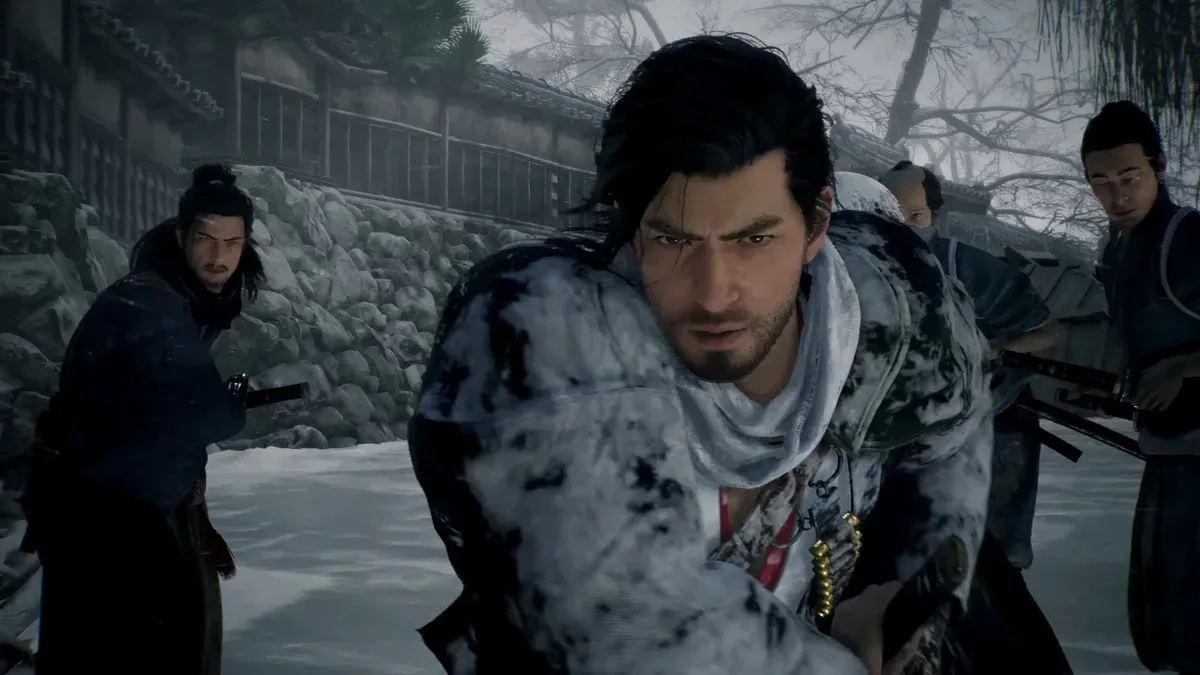
If there’s one thing Team Ninja is known for, it’s creating satisfying combat, and Rise of the Rōnin is no exception. Building on their celebrated work from games like Ninja Gaiden and Nioh, the developers have delivered what feels like a revolutionary combat experience. It is fast, fluid, and unforgiving, demanding skill and precision from the player.
The combat is centered around a parry-heavy system that is consistently thrilling. Successfully deflecting a flurry of attacks to stagger an enemy for a critical hit never gets old. While the core mechanic is similar to their previous titles, it has been refined and polished, making it the undisputed highlight of the entire game. This is where Rise of the Rōnin truly stands out.
Weapon Variety and Skill Mastery
Rise of the Rōnin gives you a wide array of weapons to master. You’re not limited to traditional Japanese armaments; the arsenal includes everything from classic katanas and spears to Western-inspired sabers and massive greatswords. This variety allows you to live out your samurai fantasies, whether you prefer the quick strikes of paired swords or the high damage of an odachi.
Each weapon type comes with multiple fighting styles, each with its own moveset and special techniques. Skill mastery is crucial, as different styles have a rock-paper-scissors relationship, making one more effective against certain enemy weapon types. For example, the katana has eight different combat styles to unlock, including one based on Ryu Hayabusa from Ninja Gaiden. Experimenting with your loadout is essential for success.
The ability to switch between your Blade Twin and other AI companions in missions also adds to the weapon variety, as each character brings their own unique style to a fight.
|
Weapon Category |
Examples |
Primary Strengths |
|---|---|---|
|
Traditional Japanese |
Katanas, Paired Swords, Odachi, Spear |
Balanced, quick strikes, high damage, or long reach. |
|
Western Inspired |
Saber, Greatsword |
Unique stances, powerful attacks, and flashy combos. |
|
Ranged Weapons |
Bows, Rifles, Pistols |
High damage from a distance, useful for stealth and staggering foes. |
|
Sub-Weapons |
Shuriken, Smoke Bombs, Flamethrower |
Disrupting enemy attacks, creating openings, and crowd control. |
Tactical Approach and Difficulty Options
While you can go in with swords blazing, a tactical approach is often the key to survival. The game encourages you to use stealth to thin out enemy ranks before engaging in open combat. Using rooftops and tall grass to perform silent takedowns is incredibly rewarding and can make difficult encounters much more manageable. Your grappling hook is also a key tool for assassination, letting you perform satisfying aerial takedowns.
A major departure from past Team Ninja games is the inclusion of difficulty options. This makes Rise of the Rōnin much more accessible than Nioh or Wo Long. If you’re looking for a punishing Soulslike experience, you can find it on the hardest setting. However, if you just want to enjoy the story and have a good time, you can lower the difficulty. This is a nice change of pace that welcomes a broader audience.
Regardless of the difficulty, combat demands careful management of your Ki (stamina). Leveling up your Dexterity and other stats will be crucial for mastering advanced techniques like the Counterspark parry and surviving tough boss fights. It’s a system that’s easy to learn but has a very high skill ceiling.
Exploration and Open World Elements
As Team Ninja’s first foray into the open world genre, Rise of the Rōnin offers players a huge amount of freedom. The game gives you a variety of tools to make exploration fun, including a trusty horse, a grappling hook for verticality, and, most notably, a glider. This commitment to traversal makes getting around the vast landscapes an enjoyable part of the experience.
As a member of the Veiled Edge, you are a trained warrior finding your way in a chaotic world. The open-world structure allows you to tackle this journey at your own pace. You can follow the main story, get lost in side activities, or simply roam the countryside, discovering hidden secrets and taking in the beautiful scenery.
Freedom of Movement and Discovery
The freedom of movement in Rise of the Rōnin is one of its greatest strengths. Early in the game, you receive a horse for fast travel across the land. Soon after, you get a grappling hook and a glider, which completely change how you interact with the environment. You can scale rooftops, swing across gaps, and glide from mountaintops, making traversal feel dynamic and liberating.
This freedom encourages a sense of discovery. The open world is packed with points of interest, from villages overrun by bandits to hidden shrines that grant skill points. Finding a hidden treasure chest after some clever platforming or following a ghost wolf to a secret location is always a rewarding experience.
However, this is also where the game can feel bloated. The map is littered with icons, and while some activities are fun, many feel like busywork. Clearing checklists for incremental rewards can become tedious, distracting from the more compelling parts of the game and making the world feel less like a place of discovery and more like a to-do list.
Side Quests and Dynamic Encounters
Beyond the main story, the world is filled with side quests and dynamic encounters. These range from helping villagers fend off bandits to developing new technology with an eccentric inventor. Many of these quests are tied to the various characters you meet, and completing them will deepen your bonds and reward you with new gear, skills, or even fighting styles.
You’ll also come across wanted criminals to hunt down and tied-up samurai (representing the “ghosts” of other fallen players) to aid in battle. These dynamic encounters add a nice layer of unpredictability to your travels. Activating a Veiled Edge Banner not only saves your progress but also refills your supplies, preparing you for whatever lies ahead on the road.
Unfortunately, the rewards for these activities are often disappointing. As IGN’s Will Borger points out, the game throws an “outrageous amount of loot” at you, but most of it is junk with meaningless stat upgrades. [3] This loot overload can make completing side quests feel unrewarding, as you spend more time managing your inventory than enjoying the fruits of your labor.
Conclusion
In conclusion, “Rise of the Rōnin” stands as a testament to the artistry and innovation in modern gaming. With its breathtaking visuals, rich narrative, and revolutionary combat system, it offers players a unique journey through the captivating world of Feudal Japan. The balance of historical accuracy and artistic flair enriches the gameplay, while the emphasis on player choice invites a deeper connection to the story. Whether you’re exploring vast landscapes or engaging in thrilling battles, this game promises to deliver an unforgettable experience. So, if you’re ready to embark on this epic adventure, consider giving “Rise of the Rōnin” a try.
Frequently Asked Questions
Is Rise of the Rōnin worth buying for fans of action RPGs?
Yes, absolutely. If you’re a fan of action RPGs, especially those made by Team Ninja, you’ll have a good time with Rise of the Rōnin. The superb combat system alone makes it worth the price of admission. It’s a deep and engaging experience on the PlayStation that offers a lot of fun.
How does Rise of the Rōnin compare to games like Ghost of Tsushima?
Rise of the Rōnin is more of an action RPG with a complex loot and stat system, whereas Ghost of Tsushima is a more streamlined action-adventure game. While both feature a samurai in an open world, Rōnin’s combat is faster and more technical, typical of Team Ninja‘s style.
Can you customize your character and playstyle in meaningful ways?
Yes, customization is incredibly deep. You can tailor your stats, choose from a wide variety of weapons like katanas, and learn many different styles for each. This focus on skill mastery allows you to create a unique build that perfectly matches your preferred playstyle, from a stealthy assassin to a head-on brawler.
Citations:
[1] Khan, I. (2024). Rise of the Rōnin Review – Crossed Swords. Game Informer. Available at: https://www.gameinformer.com/review/rise-of-the-ronin/crossed-swords
[2] Fraser, M. (2024). Rise of the Ronin review. God is a Geek. Available at: https://www.godisageek.com/reviews/rise-of-the-ronin-review/
[3] Borger, W. (2024). Rise of the Ronin Review. IGN. Available at: https://www.ign.com/articles/rise-of-the-ronin-review